How to Tell If a Mid-Century Home Is Actually Original
By Priya Anand
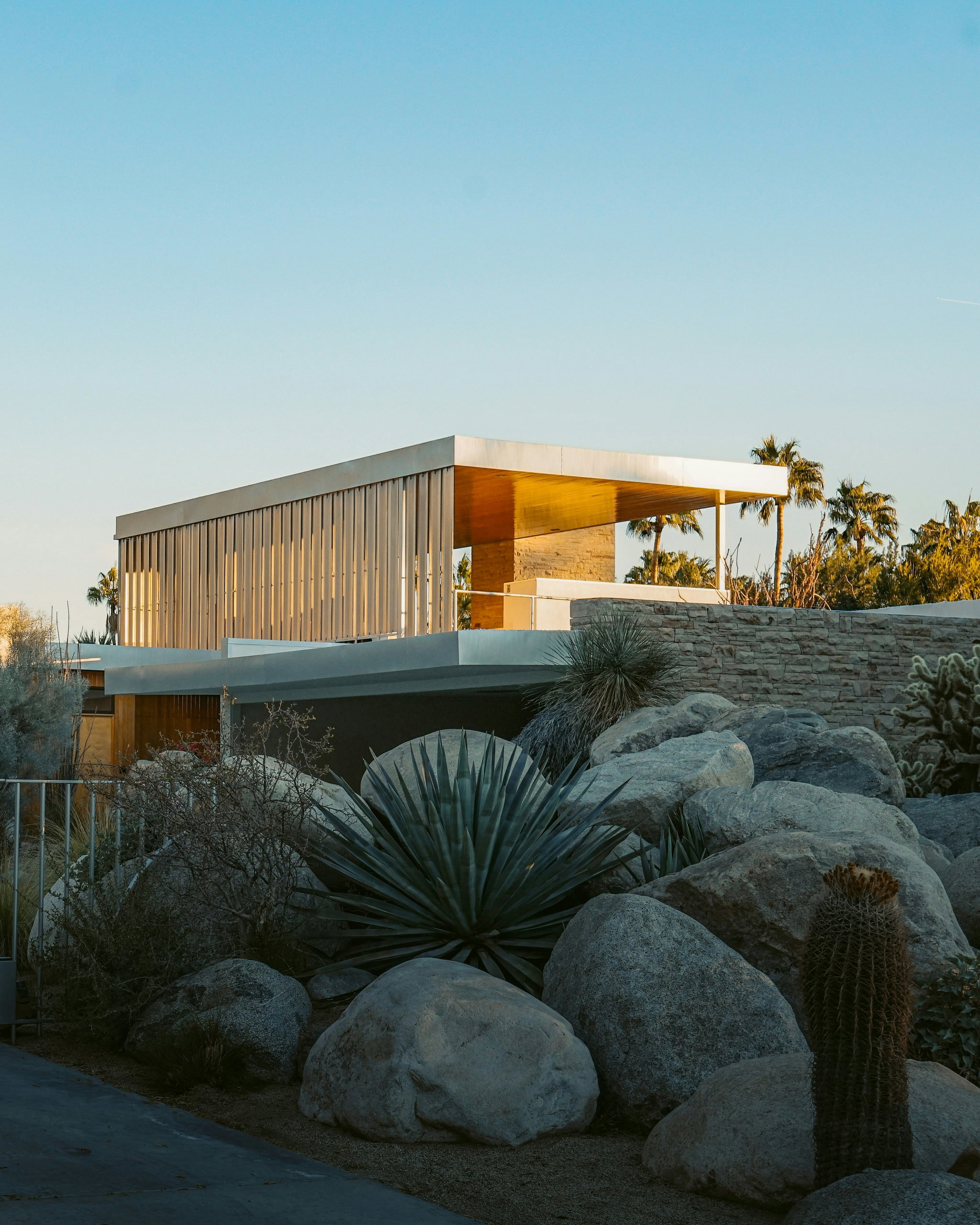
Every listing description says "original mid-century character." Most of them are lying, or at least stretching the truth. Here's what I actually check before I believe it.
The roofline tells the truth first
Original post-and-beam roofs are flat or very low-slope, supported by a visible structural grid rather than hidden trusses. If a roofline has been raised, or if you can see obvious truss shapes under the ceiling where there should be exposed beams, that's a later reroof, not original structure. It's not disqualifying, but it changes what you're paying for.
Window proportions don't lie
Original mid-century glazing tends to run in large, simple panes with thin steel or wood frames. Vinyl replacement windows, even good ones, almost always come in slightly different proportions than the original openings, because standard vinyl sizes don't match custom 1950s dimensions. If every window in the house is suspiciously uniform and modern, the originals are probably gone.
Look at where the walls meet the floor
Original terrazzo, cork, or slate flooring usually runs directly into the walls with minimal baseboard, part of the era's minimalist detailing. Thick modern baseboard is a small tell that flooring has been replaced, which isn't a problem on its own, but it's worth asking what's underneath.
The kitchen is the least likely room to be original, and that's fine
Honestly, almost no one wants a truly original 1958 kitchen, the appliances alone make that impractical. What matters is whether a kitchen renovation respected the home's proportions and material language, walnut and white oak rather than shaker cabinetry, for instance, rather than fighting the house's original character.
Ask for permit history
This is the boring but decisive step. LA county permit records will show you exactly what's been touched and when. A house with no permit history since 1962 either had zero work done, unlikely, or had unpermitted work done, worth knowing either way.
None of this means you should only buy fully original homes, thoughtful updates can genuinely improve a mid-century house. But you should know which one you're buying, because the price difference between "original character preserved" and "original character advertised" is significant, and the sellers rarely volunteer which one you're getting.
Recent posts

02 Aug 2026
Elena Vos
The New Wave of Venice Architecture: What's Actually Getting Built
Venice is building more than almost anywhere else in LA right now, and most of it looks nothing like the beach bungalows the neighborhood is known for.

02 Aug 2026
Jonah Reyes
Is Silver Lake Still Silver Lake?
I've been asked some version of "is Silver Lake still Silver Lake" for eight years now. Here's my honest answer.